Understanding Protein Bar Formulations: A Complete Guide

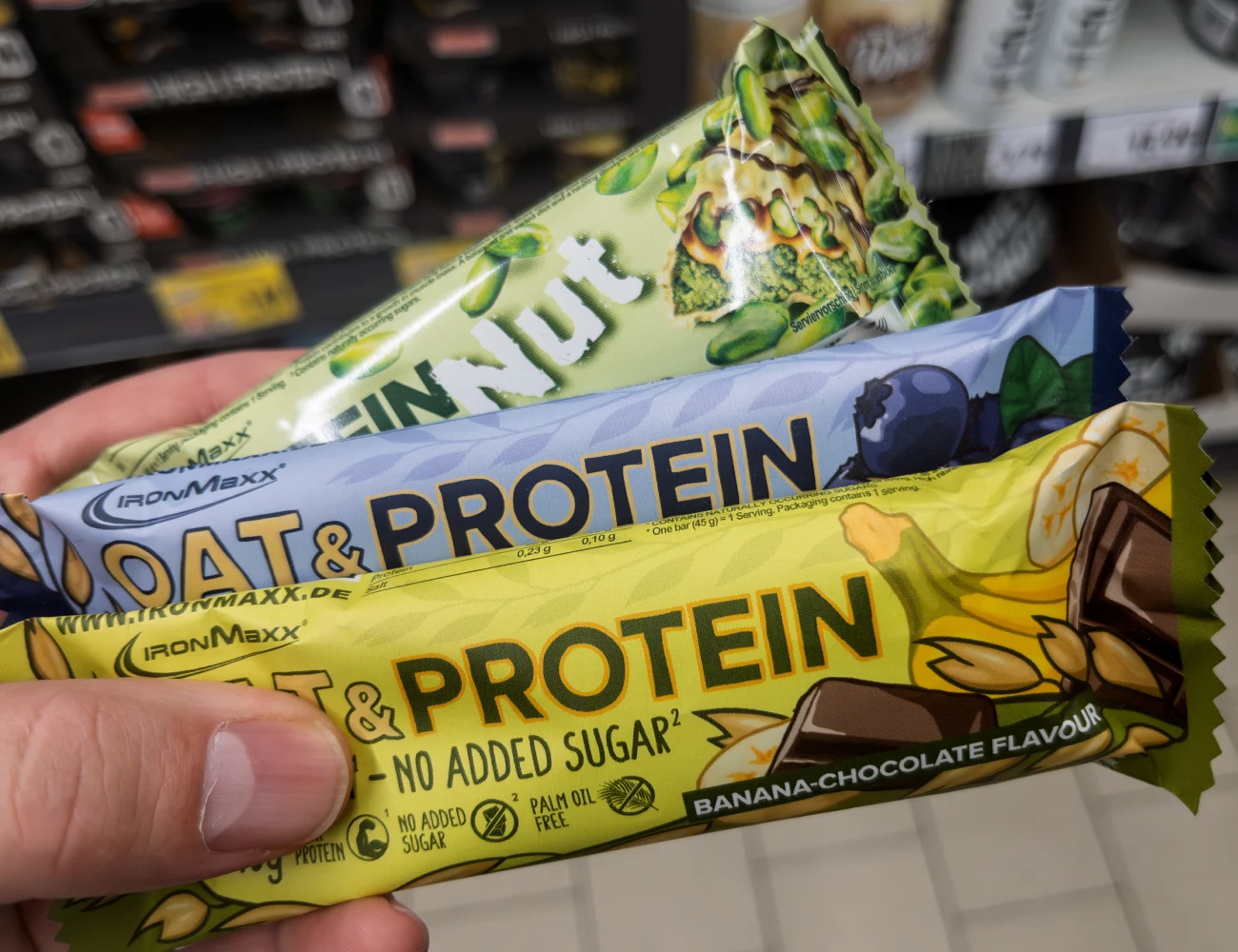
Hand holding oat and protein bars in different flavors at a store

Creating a successful protein bar starts with the right formulation. A good bar must balance taste, texture, nutrition, shelf life, and production quality. For new brands, understanding the basic parts of a formula helps make better product decisions.

Protein Sources

Protein is the main feature of the bar. Common options include whey protein, milk protein, collagen, pea protein, rice protein, and other plant-based proteins.

The right protein source depends on your target customer. Sports brands may prefer whey or milk protein, while vegan brands need plant-based options.

Binding and Texture

A protein bar needs ingredients that hold everything together and create the right bite. Binding agents help the bar stay firm, stable, and easy to eat.

Texture is very important. A bar can be chewy, soft, crunchy, dense, or layered depending on the formula and production method.

Sweeteners and Flavor

Sweeteners help improve taste and balance the protein flavor. Depending on the product type, a bar may use sugar, syrups, polyols, fibers, or other sweetening systems.

Flavor also matters. Chocolate, peanut, caramel, vanilla, coconut, berry, and cookie-style flavors are popular choices for protein bars.

Nutritional Profile

Every formula should match the brand’s goal. Some bars focus on high protein, others on low sugar, vegan ingredients, meal replacement nutrition, or energy support.

Important nutrition points include protein amount, calories, sugar level, fiber, fats, carbohydrates, and portion size.

Shelf Life and Stability

A great protein bar must stay fresh, safe, and consistent during storage and transport. The formula, packaging, and production process all affect shelf life.

Good stability helps protect taste, texture, and product quality until the customer opens the bar.

Why Manufacturing Support Matters

Formulation is not only about ingredients. The product must also work in real production. A reliable manufacturer can help adjust the formula for taste, texture, shelf life, packaging, and scalability.

This saves time and helps avoid problems during production.

Why Choose PrivateLabelBars.eu?

PrivateLabelBars.eu by Nutrikal helps brands develop and manufacture private label protein bars in Europe.

We support brands with custom formulations, stock product options, ingredient guidance, packaging support, low MOQs, quality control, and scalable production.

Conclusion

A strong protein bar formula is the foundation of a successful product. With the right protein source, texture, flavor, nutrition profile, and manufacturing partner, brands can create bars that customers enjoy and buy again.

PrivateLabelBars.eu helps turn your formulation idea into a finished product ready for the market.

Related Insights